
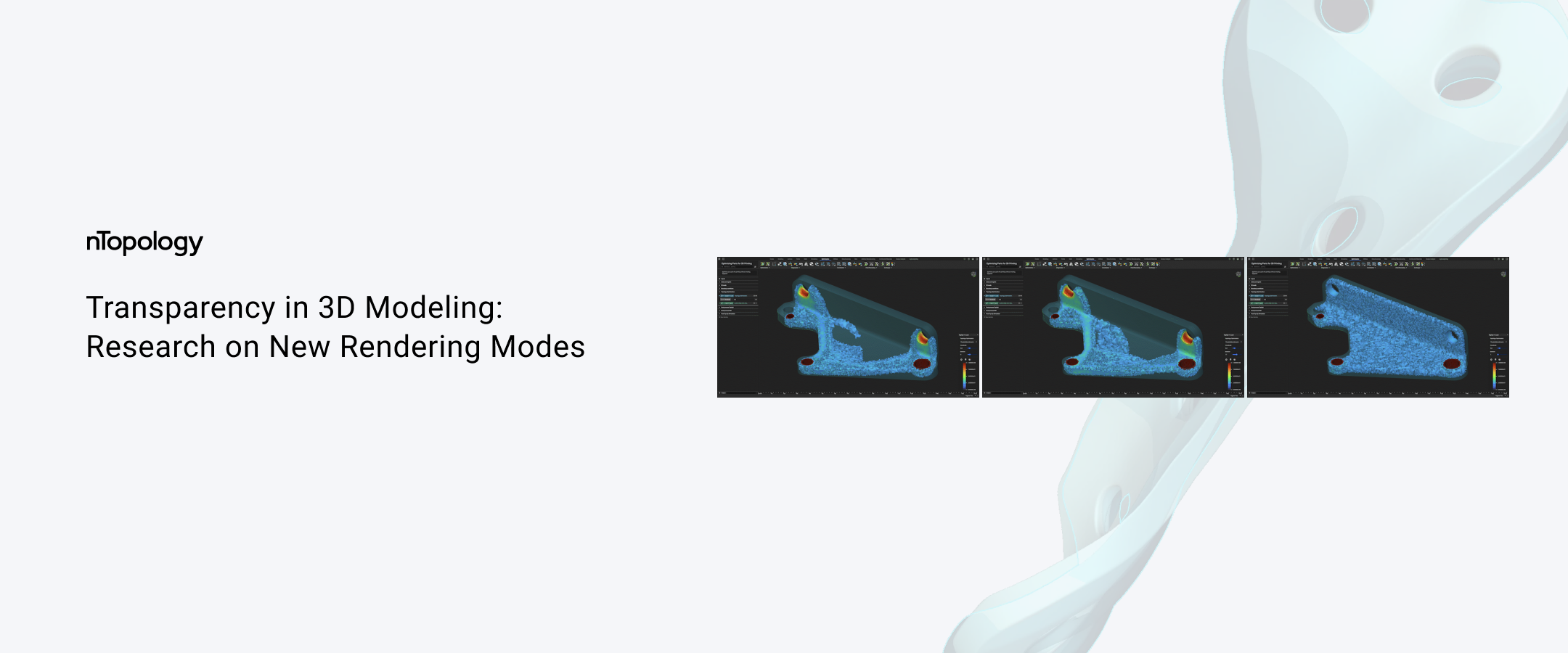
I initiated and led the user research, discovery and project scoping effort for nTop’s effort to introduce “transparency” render mode for the first time. This research process demonstrates that by interpreting the problem space from different angles, we can steer a seemingly unsolvable problem into tangible resolutions.
Previously, users of nTop can only view geometries in solid colors, which makes it hard to see the interiors of components, spatial relationships between parts in an assembly, and differences between each iteration of generative design. Now, users can easily visualize the intricate interior details of their 3D components and make critical design decisions.
My Role
UX research, Competitive Analysis, Project Management
Tools
AWebGL, Shaders, 3D Math, Computer Graphics journals and documentations
Team
Myself, Engineering team, Customer-facing Teams at nTop
Duration
Q1-Q2 2023
PROJECT BACKGROUND
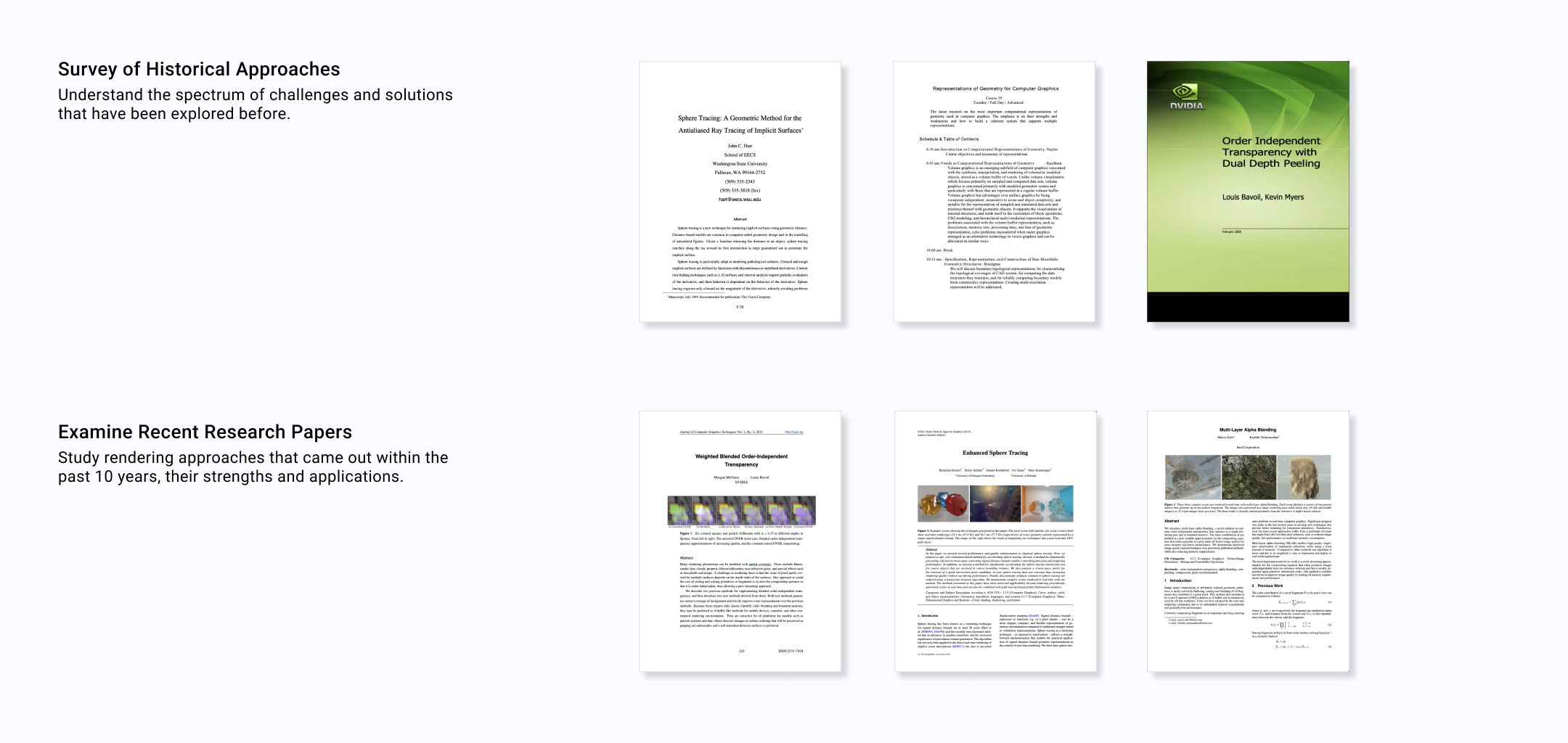
Read Research Papers on Recent and Relevant approaches
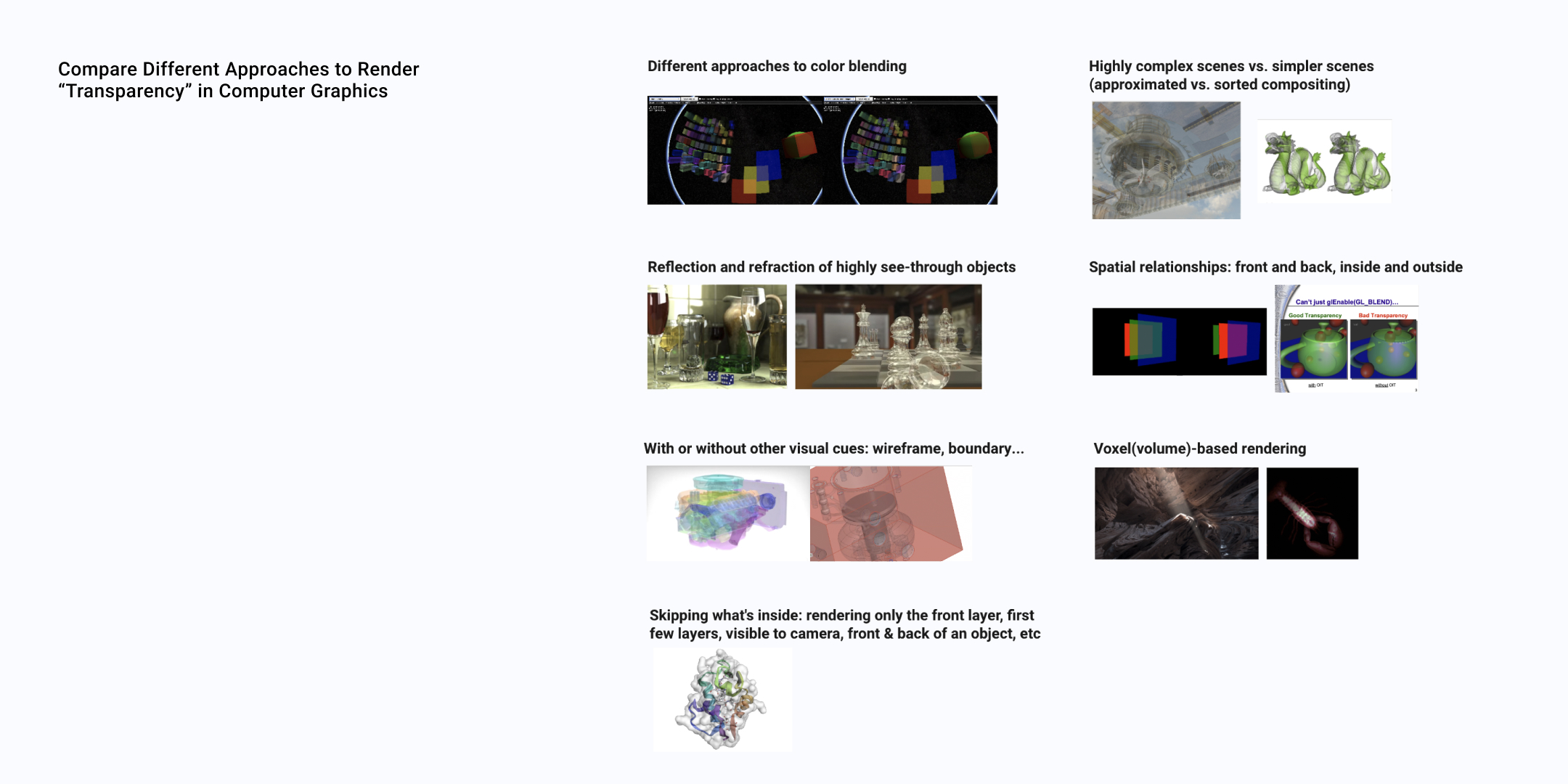
Compare Different Approaches and Trade-offs
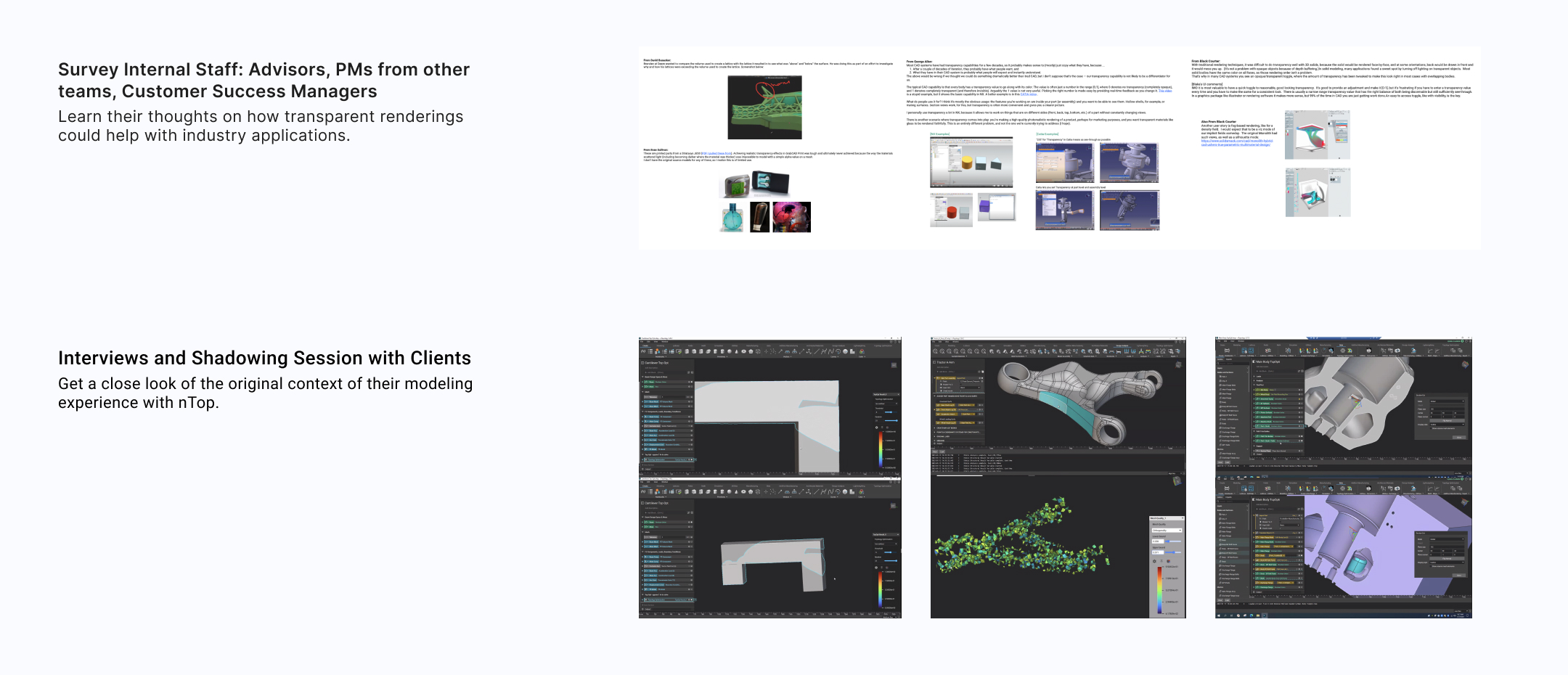
Conduct Qualitative Research
RESEARCH PROCESS
Read Research Papers on Recent and Relevant approaches
Compare Different Approaches and Trade-offs
Conduct Qualitative Research
RESEARCH DELIVERY
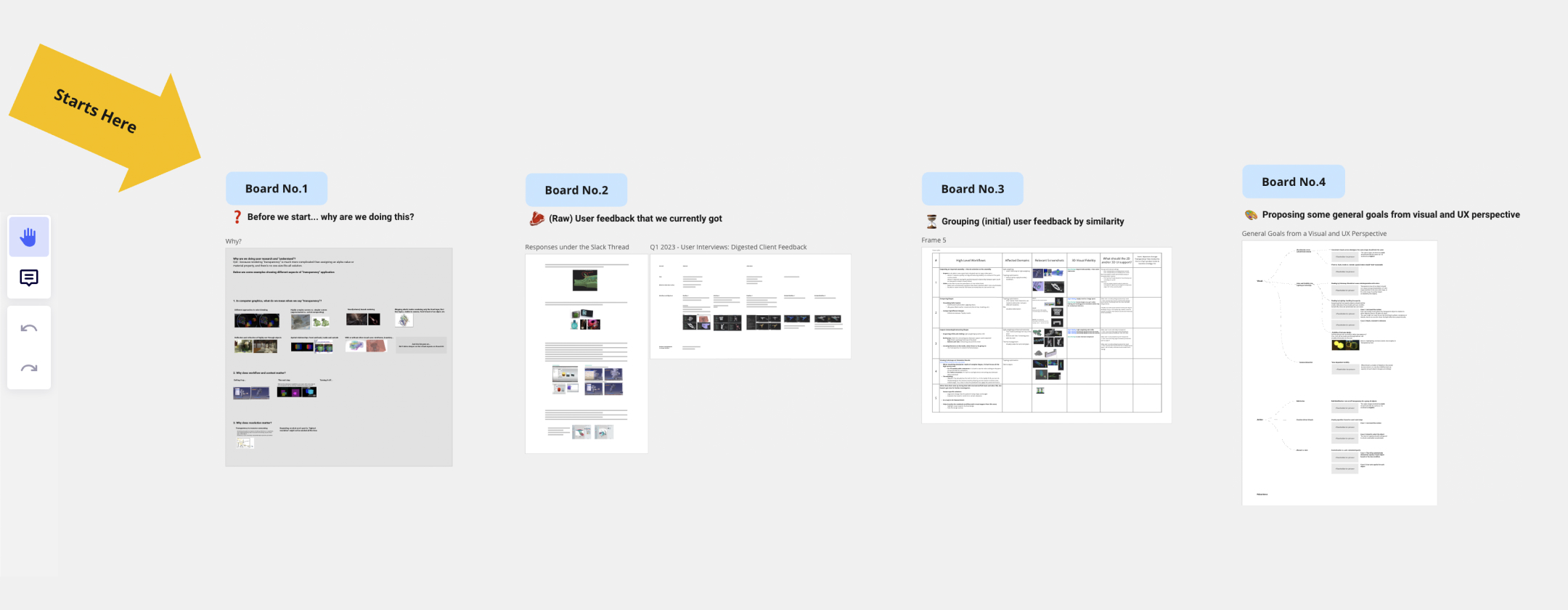
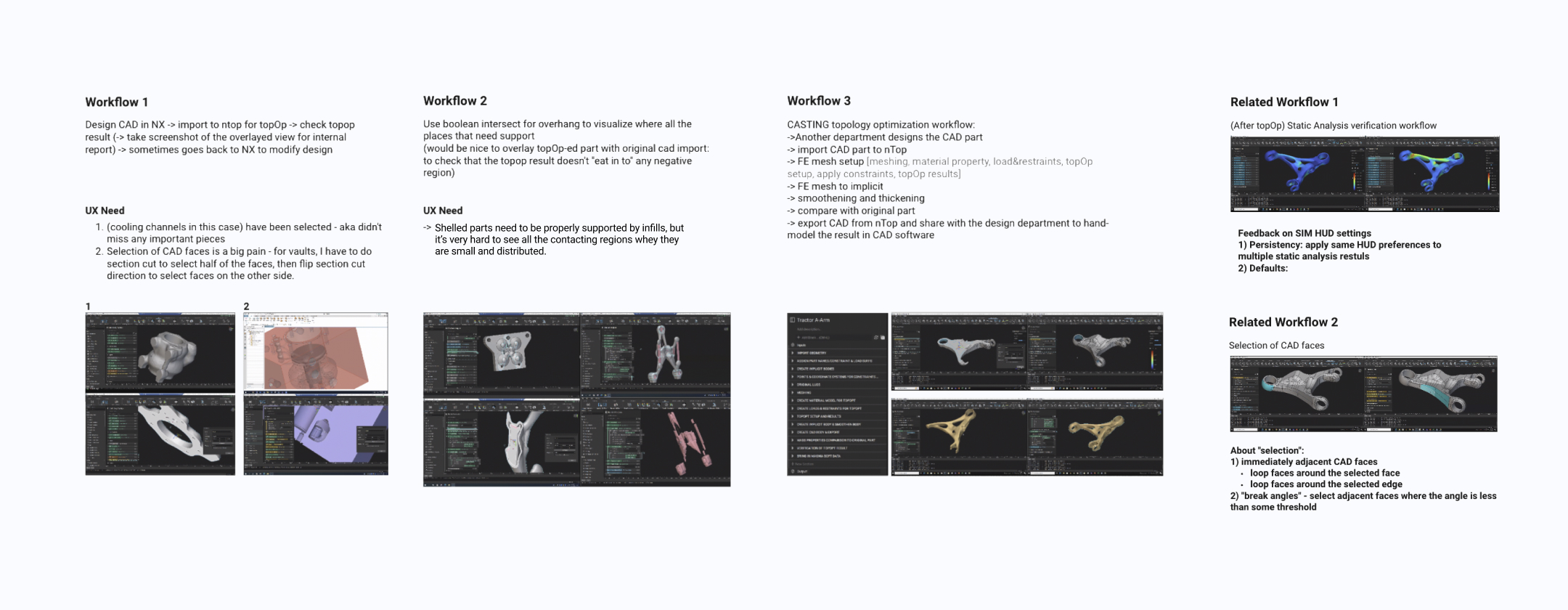
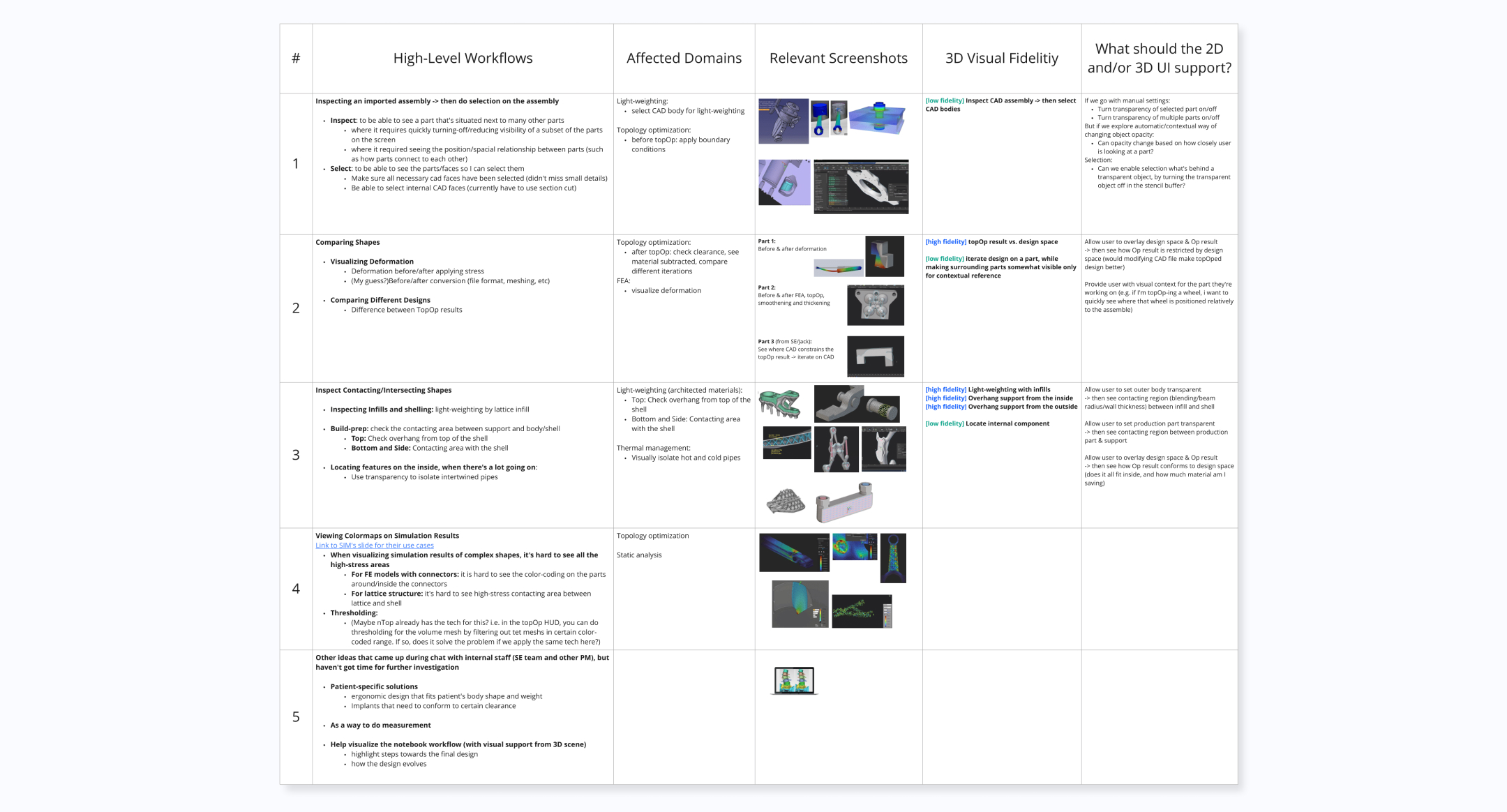
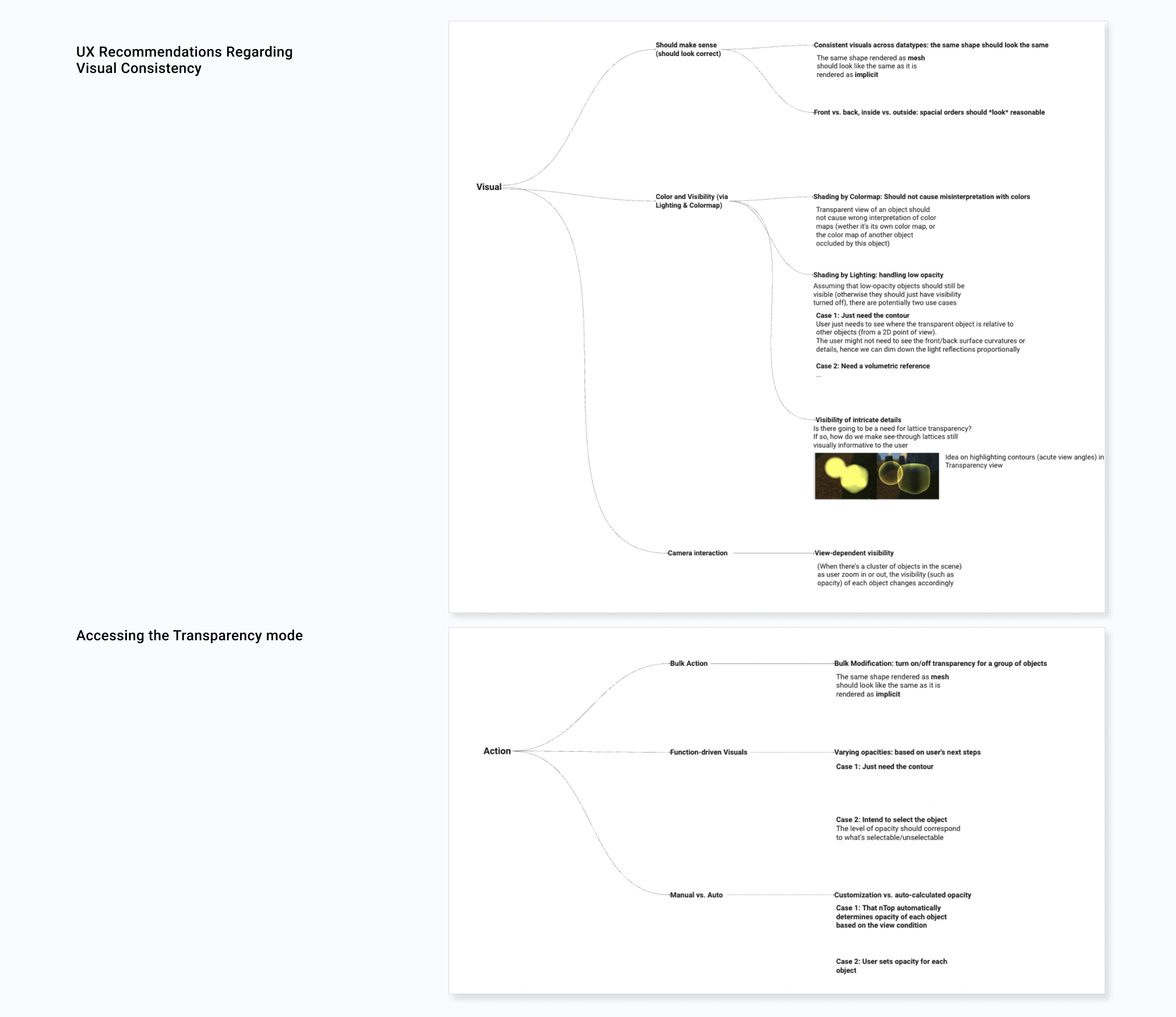
PROJECT OUTCOME
The New Transparency Feature in nTop
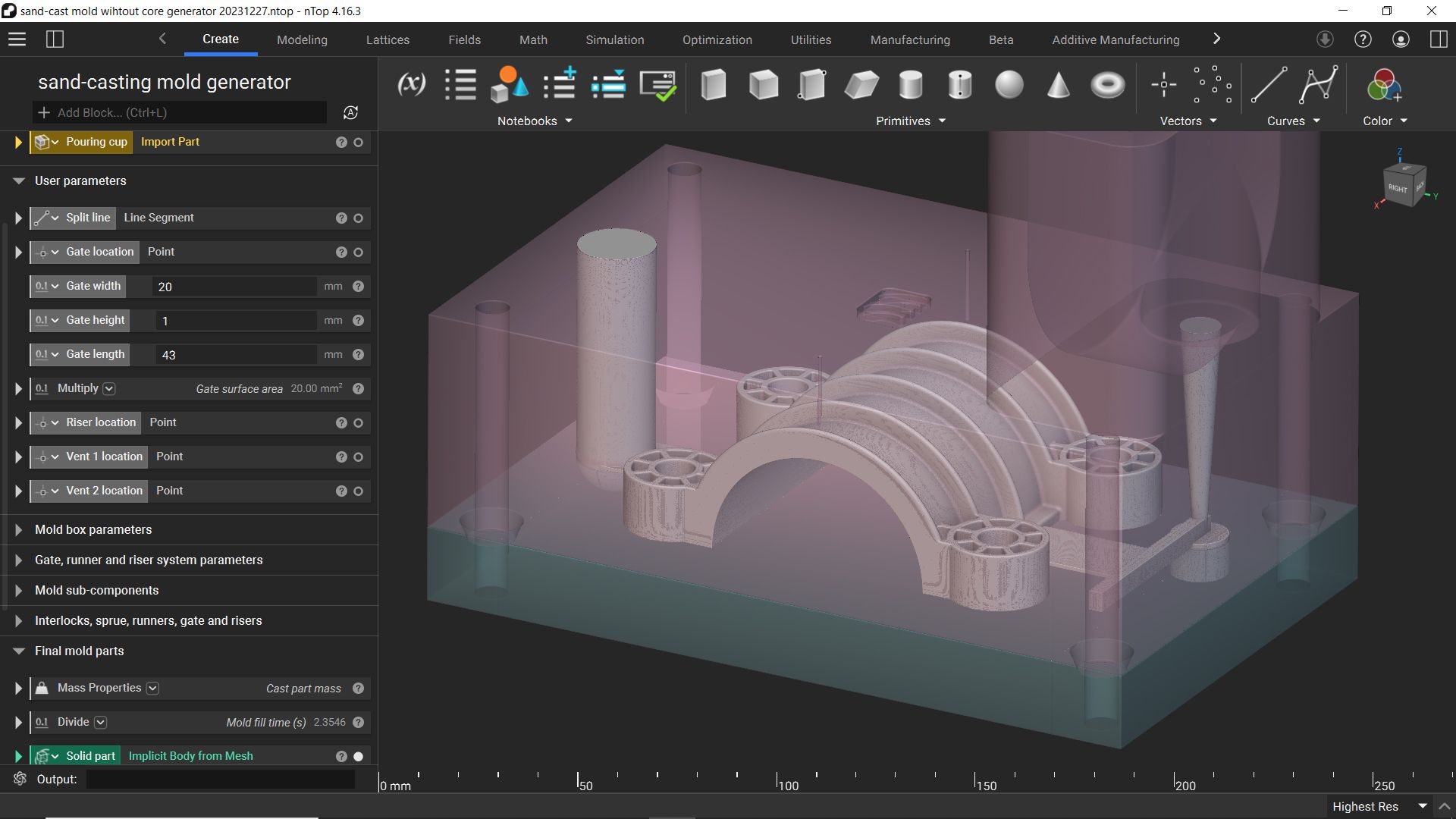
The new Transparency rendering feature was delivered to customers during the following quarter - after being blocked for over 2 years.
Ntop users now widely use Transparency during their core workflows - modeling, light-weighting, topology optimization, assembly and more.